Objective
This guide will help you identify when garden waste has become too much to manage yourself, what you can compost or reuse, and when professional removal may be the safer and more practical option.
Key Takeaways
- Large piles of branches, logs and garden debris can make your outdoor space difficult to use.
- Some garden materials can be composted or reused.
- Tree pruning, tree felling and storm damage can create more waste than normal household disposal can handle.
- Pest concerns, blocked access and safety risks are signs that your garden may need clearing.
- Professional green waste disposal can be useful when waste is heavy, bulky or difficult to transport.
Introduction
A few branches after pruning are easy to ignore. But once leaves, grass cuttings, branches and logs start filling your garden, clearing the waste can become harder than the gardening itself. Green waste removal can be a practical option when the amount of debris becomes too large, heavy or difficult to handle safely.The problem often starts after tree pruning, tree felling, storm damage or clearing an overgrown garden. Large piles can take up useful garden space and may provide shelter for unwanted animals. Cape Tree Services also notes that dry garden refuse can increase fire concerns during Cape Tree’s hot, windy summer months. Did you know? UK Environment Agency guidance classifies garden waste, green waste, hedge and tree trimmings, grass cuttings and leafy materials as biodegradable garden and park waste. This shows why garden waste should be handled separately and responsibly where suitable. The key is knowing what you can manage yourself and when professional green waste removal is the more practical choice.
Table of Contents
- What Counts as Green Waste?
- Signs You Need Garden Waste Removal
- Why You Should Not Leave Large Waste Piles
- DIY or Professional Removal?
- How Professional Green Waste Removal Works
- When Should You Clear Your Garden?
What Counts as Green Waste?
Green waste means organic material produced through normal garden maintenance and tree work. It can include:
- Leaves and grass cuttings
- Hedge and shrub trimmings
- Small branches and twigs
- Tree pruning waste
- Large branches and logs
- Other plant material
The US Environmental Protection Agency explains that materials such as grass clippings, leaves, yard trimmings and tree trimmings can be composted under suitable conditions. That does not mean every garden needs a removal service. If you have a small amount of suitable material and enough space for composting, you may be able to manage some of it yourself. The situation changes when you have several large branches, heavy logs or a large volume of waste after tree work.
Signs You Need Garden Waste Removal
1. Your Garden Waste Keeps Building Up
If every pruning session adds another pile and you never have enough time to clear it, the problem will only get bigger.
Ask yourself: Can you safely remove everything you have accumulated? If the answer is no, it may be time to arrange help.
2. Tree Pruning or Felling Has Left Large Debris
Tree work can produce much more waste than routine gardening. Branches, timber and smaller pieces of wood can quickly fill your garden.
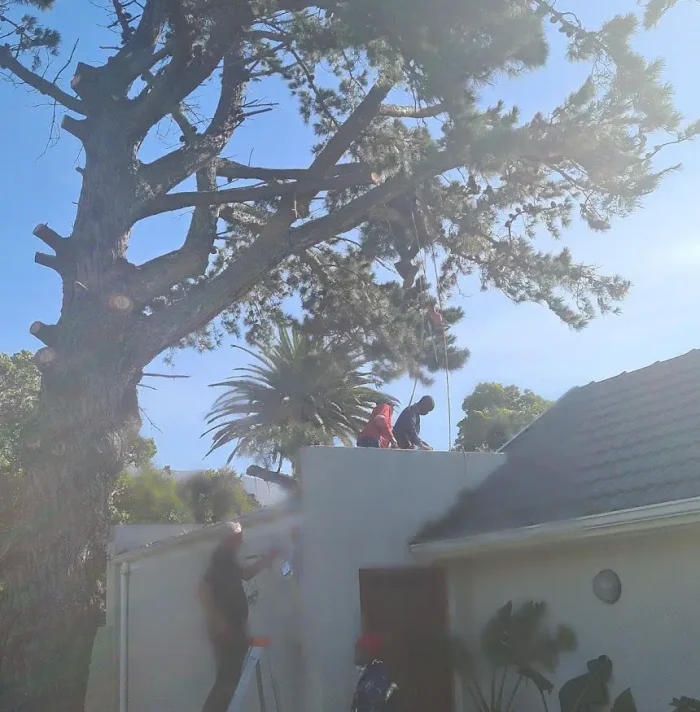
Cape Tree Services handles green waste after tree work and states that its service can deal with anything from bags of leaves to large quantities of logs.
3. You Are Seeing More Pests Around Waste
Large, undisturbed piles of organic garden refuse can provide shelter for unwanted animals. Cape Tree Services notes that garden-refuse piles may provide habitats for snakes, rodents and spiders.
This does not mean garden waste automatically causes a pest infestation problem. However, if you already have signs of pests, keeping large piles around may not be sensible.
4. Waste Is Blocking Paths or Garden Areas
Branches across walkways, piles beside gates or logs occupying garden space can make everyday movement harder.
If your garden is becoming difficult to use because of debris, clearing it can restore valuable space.
5. Storm Damage Has Left Branches Behind
Strong storms can leave broken limbs and fallen branches across a property. Never assume a damaged tree is safe simply because the visible branch is on the ground.
Cape Tree Services provides emergency tree removal and storm-damage services, including same-day emergency assistance across Cape Town.
6. The Waste Is Too Heavy or Bulky for You
A few bags of leaves are one thing. Several logs are another.
Cape Tree Services states that many municipal refuse services do not collect large logs or bulky branches, which can leave homeowners with a difficult disposal task.
7. You Simply Do Not Have the Time
Busy homeowners, landlords, property managers and commercial property owners may not have the time, vehicle or equipment needed for a large clearance.
In that case, professional removal can save hours of lifting, loading and transport.
Why Leaving Large Waste Piles Can Be a Problem
A small amount of garden material is normal. The concern starts when waste remains in large piles for long periods.
It can:
- Take up usable garden space
- Block pathways and access points
- Make routine maintenance harder
- Provide shelter for unwanted animals
- Create additional cleanup work later
Dry garden waste also needs sensible management, particularly during periods of hot and windy weather.
DIY or Professional Removal?
| DIY may suit you when | Professional removal may suit you when |
|---|---|
| You have a small amount of waste | You have a large volume |
| You can compost suitable material | You have large branches or logs |
| You have suitable storage space | Waste is too bulky to transport |
| You have the right equipment | You do not have suitable equipment |
| The material is easy to handle | Tree work or storm damage is involved |
What Can You Compost?
Leaves, grass clippings, suitable plant trimmings and untreated wood chips can form part of a home composting system. The EPA recommends managing the right balance of organic materials, moisture and oxygen. But composting is not a practical answer for every clearance. Large logs and substantial quantities of branches still need to be managed safely.
How Professional Green Waste Removal Works
The process is fairly simple.
First, assess the waste. Look at the amount, size and type of material.
Next, separate what you can reuse. Suitable leaves, grass and plant material may be composted.
Then, arrange removal for bulky material. This is especially useful after tree pruning, tree felling or storm damage.
Cape Tree Services uses high-capacity vehicles for green waste work and offers on-site wood chipping for larger jobs. Its tree-felling service also includes processing branches and completing a final site clean-up.
When Should You Clear Your Garden?
A good rule is simple: clear garden waste when it starts affecting safety, access, garden use or your ability to maintain the property properly. You do not need professional help for every bag of leaves. But if your garden contains heavy logs, large branches or a substantial amount of debris, getting the waste removed can make the whole property easier to manage.
A Simple Garden Check
Take five minutes and look around your property:
- Can you walk through the garden without stepping over debris?
- Are branches or logs becoming difficult to move?
- Has recent tree work created a large waste pile?
- Are pests appearing around accumulated material?
- Can you dispose of everything safely yourself?
If you answered yes to several of these questions, it is worth considering green waste removal.